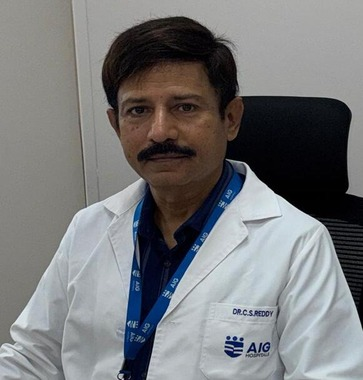
Dr. H. M. Chinnaswamy Reddy is a highly accomplished Pediatric Cardiac Surgeon with over three decades of experience in managing complex congenital and neonatal heart conditions and is acclaimed for expertise in complex congenital heart surgeries and global contributions. Currently serving as the Senior Consultant and Head of the Department of Pediatric Cardiac Sciences at AIG Hospitals, Hyderabad, he is widely recognized for his surgical precision, innovation, and leadership.
Dr. Reddy has performed more than 700 arterial switch operations in neonates and infants, establishing himself as one of India’s foremost experts in this domain. He has also conducted the country’s largest series of Cone repairs for Ebstein anomaly, with 245 successful cases, making a significant contribution to pediatric cardiac care. His expertise spans a wide spectrum, including double switch procedures, Ross and Ozaki techniques, valve repairs and replacements, and complex reconstructive surgeries such as unifocalization and Rastelli operations.
In addition to his surgical excellence, Dr. Reddy is an accomplished academician with multiple publications in leading international journals, advancing knowledge in pediatric and congenital cardiac surgery. His career reflects not only a commitment to clinical excellence but also to mentoring the next generation of cardiac surgeons. Dedicated and compassionate, Dr. Reddy continues to shape the future of pediatric cardiac sciences in India.

- Call Us: 9482525271
- Email Us: dr.hmcreddy@gmail.com
Healing of Tiny Hearts Deserve Safe Hands
Compassionate, skilled cardiac care ensuring brighter tomorrows for children

The Cost of Pediatric Cardiac Surgery is Small Compared to Priceless Future it Secures
Investing in life-saving care that gives children a full future

From Blue Lips to Bright Smile Possible with Skilled and Experienced Surgeon
Advanced pediatric heart surgery bringing hope, health, and happiness back

Not All Hearts Have Four Chambers, But All Deserve a Full Life
Specialized care for complex heart conditions with a promise of life

A Repaired Heart is More Than a Surgery – It’s a Promise Kept to a Child’s Tomorrow
Every successful surgery is a renewed chance at a healthy childhood

Sometimes Pediatric Hearts Need a Second Surgery to Shine
Expert re-operations giving children another chance at brighter futures

A Heart Mended Today Beats for Decades to Come
Early treatment ensures stronger, healthier, and longer lives ahead

.png)
.png)
.png)
.png)
.png)
.png)
.png)
Dr. H. M. Chinnaswamy Reddy
About Us
Dr. H. M. Chinnaswamy Reddy: Renowned Pediatric Cardiac Surgeon Transforming Young Lives with Compassion and Precision
Dr. H. M. Chinnaswamy Reddy is a highly distinguished Pediatric Cardiac Surgeon, with unmatched expertise in neonatal cardiac surgery, complex congenital heart surgeries, and other high-risk cardiac procedures. With over three decades of experience, he has performed more than 700 arterial switch operations for transposition of the great arteries and the largest series of Cone repairs (245) in India for Ebstein’s anomaly.
His expertise lies in caring for fragile newborns and children with life-threatening heart conditions, where timely and precise surgery can mean a new chance at life. He is renowned for complex procedures such as double switch operations, aortic and pulmonary root translocations, Ross and Ozaki procedures, and rare congenital repairs. Families trust him not only for his surgical precision but also for his compassionate, family-centered approach.
Dr. Reddy believes that every child deserves the best possible chance at a healthy future, and he walks alongside parents in their most anxious moments, offering clarity, reassurance, and hope. For him, treating a child is not just a surgery—it is a lifelong bond of trust with families. His combination of medical excellence and deep empathy has transformed thousands of young lives and continues to inspire confidence in families worldwide.
30+
Years of Experience
700+
Arterial Switch Operations in Neonatal and Infancy
245+
Cone repair surgeries for Ebstein anomaly in India
Our Specialization

Pediatric Surgery

Pediatric Laparoscopic Surgery

Pediatric and Newborn Surgery
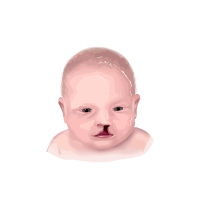
Congenital Anomalies Surgery
Our Healthcare Services
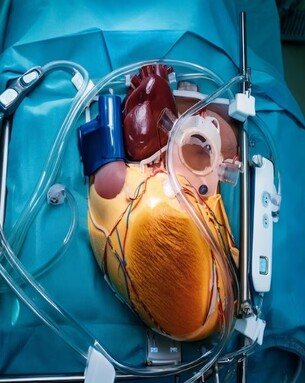
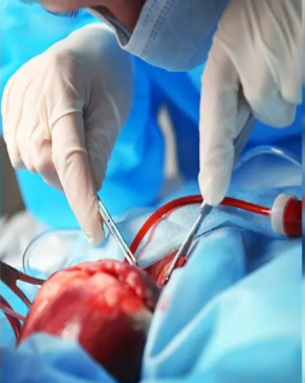
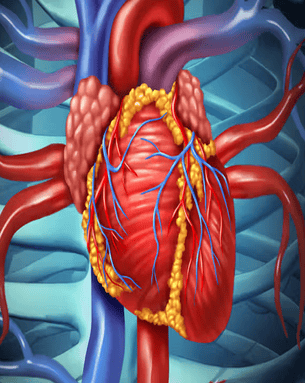
Comprehensive heart care with state-of-the-art surgical solutions, ensuring precise treatment for patients across all age groups



Dr. H. M. Chinnaswamy Reddy
Cardiologist
- Pediatric Cardiac Surgery M.Ch. (CTVS) DNB M.S. MBBS
- 30.0 Years Of Experience
- Call
- Video Call
- In person
Media Pictures



Frequently Asked Questions
What makes Dr. H. M. Chinnaswamy Reddy a leader in pediatric cardiac surgery in Hyderabad?
Dr. H. M. Chinnaswamy Reddy is a distinguished Pediatric Cardiac Surgeon with over 30 years of experience in managing complex congenital heart conditions. His extensive experience in complex congenital heart surgeries, demonstrated through over 700 arterial switch operations in neonates and infants and 245 successful Cone repairs for Ebstein anomaly, underlines his proficiency. As the Senior Consultant and Head of the Department at AIG Hospitals, Hyderabad, Dr. Reddy's surgical precision, innovation, and global contributions make him a respected figure in the field.
What are Dr. Reddy’s contributions to pediatric cardiac surgery in India?
Dr. H. M. Chinnaswamy Reddy has significantly advanced pediatric cardiac surgery in India through his expertise in complex procedures like double switch, Ross and Ozaki techniques, and reconstructive surgeries. His record-setting involvement in the largest series of Cone repairs for Ebstein anomaly and over 700 arterial switch operations highlight his skill. He balances clinical practice with academic contributions, boasting numerous publications and mentoring emerging cardiac surgeons, reflecting his holistic commitment to advancing pediatric cardiac sciences.
What is the difference between open and closed heart surgeries?
Open heart surgery involves opening the chest and heart to perform the procedure, often using a heart-lung machine to circulate blood. Closed heart surgery, on the other hand, is performed on the heart without opening the chest cavity, often using catheters and small incisions. Both approaches are utilized in treating congenital and acquired heart conditions, with the choice depending on the specific condition being treated.
What are neonatal cardiac surgeries?
Neonatal cardiac surgeries refer to heart operations performed on newborns with congenital heart defects. These surgeries aim to correct or palliate congenital abnormalities, enabling the child to grow normally. Techniques include both open and closed heart procedures depending on the complexity and type of defect. These surgeries are crucial in addressing life-threatening cardiac issues present from birth, often requiring highly specialized pediatric cardiac surgeons.
How do palliative (staged) congenital heart surgeries work?
Palliative congenital heart surgeries are performed in stages to manage complex heart defects over time. These surgeries aim to improve the child's immediate health, allowing them to grow until they can undergo corrective surgeries. The initial surgery often stabilizes the heart's function, with further surgeries aimed at improving or fixing the defect. This approach provides a pathway for children with severe defects to lead a healthier life.
What is valve repair, such as the CONE or Ozaki procedures?
Valve repair procedures, including CONE repair and the Ozaki procedure, are surgical techniques to address valve malfunctions in the heart. CONE repair is typically used for tricuspid valve defects, while the Ozaki procedure replaces diseased aortic valves using the patient's own tissue. These techniques aim to preserve or replace faulty valves, improving heart function and reducing the risk of future complications.
What are corrective congenital heart surgeries?
Corrective congenital heart surgeries are procedures aimed at fixing structural defects in the heart that are present at birth. These surgeries can involve repairing holes in the heart, redirecting blood flow, or reconstructing heart chambers. The goal is to restore normal heart function and improve the patient's quality of life. These surgeries are often complex and require specialized skills in pediatric cardiac surgery.
When might re-operations for valve or conduit be necessary?
Re-operations for valves or conduits are often necessary when previous repairs or replacements wear out or when patients outgrow their initial surgeries. Over time, artificial valves or conduits may fail due to calcification, leakage, or stenosis, necessitating a repeat surgery. Regular monitoring of pediatric cardiac patients helps determine the right time for these re-operations to maintain optimal heart function.
What are grown-up congenital heart surgeries?
Grown-up congenital heart surgeries are procedures performed on adults who were born with congenital heart defects. As individuals with repaired or palliated heart defects age, they may require additional surgeries due to changes in heart function or complications. These surgeries address ongoing or new issues that arise, ensuring continued heart health and quality of life as the patient transitions into adulthood.
What do aortic root surgeries involve?
Aortic root surgeries involve repairing or replacing the portion of the aorta that connects to the heart, often addressing conditions such as aneurysms or congenital defects like Marfan syndrome. These surgeries aim to prevent life-threatening complications such as aortic dissections or ruptures. In pediatric cases, they may be warranted when congenital defects affect the aortic root, requiring precise surgical intervention to ensure heart stability and function.
How is advanced heart failure in children treated with transplantation?
Advanced heart failure in children is occasionally treated with heart transplantation when other surgical or medical interventions fail to restore heart function. Transplantation involves replacing the failing heart with a healthy donor heart, which can significantly improve the child's prognosis and quality of life. The procedure is complex and requires comprehensive post-operative care to prevent rejection and manage the long-term health of the transplanted heart.
What are the challenges in performing surgical interventions in neonates with heart defects?
Surgical interventions in neonates with heart defects present unique challenges due to their small size, underdeveloped organs, and complex congenital conditions. Surgeons must carefully balance correcting the defect while minimizing impacts on growth and development. In addition, neonatal patients often require specialized perioperative care and long-term follow-ups to ensure proper recovery and management of potential complications over time.
Location & Location Map
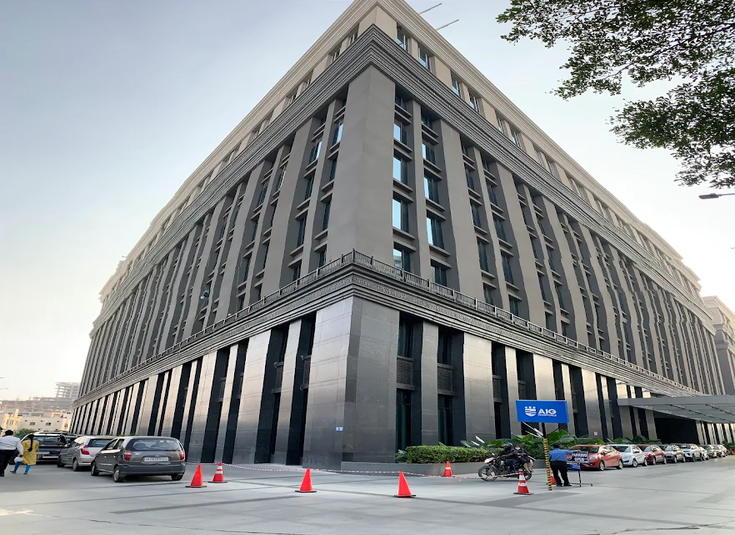
 Address :AIG Hospitals, Survey No 136, 4/5 Plot, Tower-2, Mindspace Rd, P Janardhan Reddy Nagar, Gachibowli, Hyderabad 500032, Telangana
Working Hours
MONDAYClosed
TUESDAYClosed
WEDNESDAYClosed
THURSDAYClosed
FRIDAYClosed
SATURDAYClosed
SUNDAYClosed